Five missteps that can hurt a whiplash compensation claim
Pursuing compensation after a whiplash injury can feel like a lot to manage, especially when you are also dealing with pain and disrupted routines. Many people assume the process is straightforward: report the accident, see a doctor, and wait for a settlement. In reality, a claim can be weakened by small mistakes that the other side may use to reduce or refuse payment. Understanding these pitfalls early gives you a better chance of a fair outcome.
Whiplash cases in Scotland are handled under specific rules that place a premium on clear evidence and prompt action. Even a seemingly minor oversight - such as a delay in seeking treatment or an unclear account of the crash - can create doubt about your injuries or the other driver's fault. This article walks through five common errors and explains why each one matters, so you know what to avoid when you build your case.
1. Not reporting the accident promptly
Time is rarely on your side after a collision. The first mistake many people make is failing to report the incident to their insurer or the police within a reasonable period. In Scotland, there is a general three-year deadline for personal injury claims, but that does not mean you can take your time notifying the relevant parties. A delay in reporting can make it harder to prove that the crash caused your whiplash, especially if the other driver disputes the facts.
Insurers and courts tend to view a prompt report as a sign that the injury is genuine. If you wait weeks or months, the other side may argue that your symptoms could have come from another event - a fall, a sports injury, or even an earlier accident. An accident report filed soon after the collision creates a clear link between the crash and your neck pain. It also preserves the scene details while they are still fresh, which matters when liability is contested.
2. Skipping the medical check-up
Whiplash symptoms sometimes take hours or days to appear fully. A stiff neck or a mild headache on the evening of the crash might not feel urgent, but ignoring medical attention is a serious risk to your case. Without a medical record that documents your condition, you have no objective proof that you were injured in the accident.
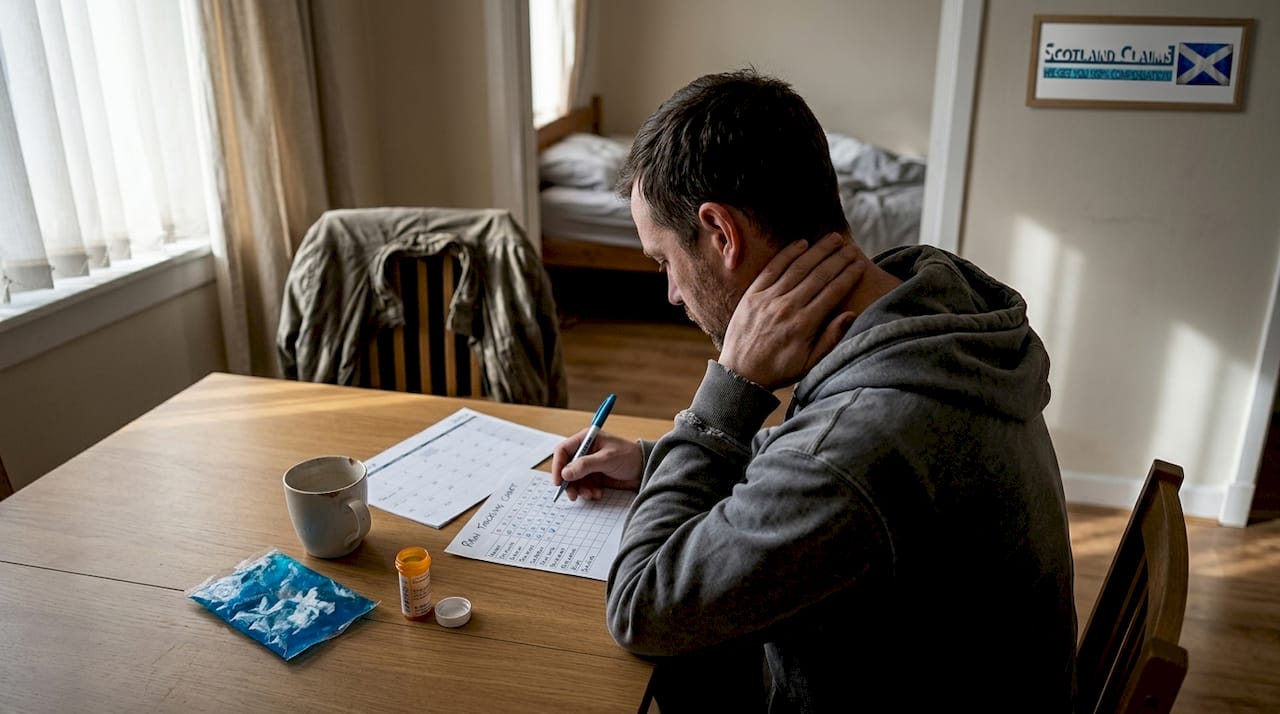
A doctor's examination serves two purposes. First, it rules out more serious damage to the spine or soft tissue. Second, it creates a formal entry that describes your symptoms, their severity, and how they affect your daily life. That record becomes medical evidence that can be shared with a solicitor and, if needed, with a court. If you never see a GP or attend an emergency department, the other side can argue that you could not have been hurt badly enough to deserve compensation. Even a brief visit to a walk-in centre is better than nothing.
Alongside the medical record, keep a simple diary of your pain levels, any activities you cannot do, and how the injury affects your sleep or mood. This personal account can support what the doctor writes and help your solicitor understand the full impact of the whiplash.
3. Giving a vague or inconsistent account of the accident
What you say about the crash matters more than most people realise. When you speak to the police, your insurer, or a claims handler, every detail you provide becomes part of the official record. If your story changes between conversations - even slightly - the other side can use those inconsistencies to question your credibility.
For example, you might tell one person that you were stopped at a junction when you were hit from behind, but later mention that you were actually rolling forward slowly. A difference like that opens the door for the other driver's insurer to argue that you contributed to the crash or that your account is unreliable. The same applies to how you describe your injuries: if you say your neck is "fine" one day and "very painful" the next without a clear explanation, the inconsistency weakens your case.
To avoid this, take time after the accident to write down what happened while it is still clear in your mind. Note the time, location, weather conditions, traffic flow, and exactly how the impact felt. If there were witnesses, get their contact details and ask if they would be willing to provide a witness statement. Photographic evidence of the vehicles, the road layout, and any visible damage can also help lock in the facts. Share this information with your solicitor early, so they can help you present a consistent and accurate version of events.
4. Overlooking the claim deadline and notification rules
Scotland's three-year limitation period for personal injury claims is well known, but there are finer points that catch people out. The clock usually starts ticking from the date of the accident or, in some cases, from the date you first became aware that your injury was linked to the crash. If you are under 18 or the injured person lacks mental capacity, the rules differ. Missing the deadline means you lose the right to claim altogether, no matter how strong your evidence is.

Beyond the overall deadline, there are shorter windows for certain steps. For example, if you intend to make a claim against a public body or a council, you may need to send a formal notification within a much tighter period - sometimes just a few months. Failing to do so can bar the claim entirely. Even in private claims, the pre-action protocol for personal injury cases in Scotland expects both sides to exchange information within set timescales. A delay on your part can slow the process and irritate the other side, but more importantly, it can give the impression that you are not serious about the claim.
Your solicitor will track these dates for you, but you can help by being proactive. If you are considering legal action, do not wait until the last minute. A solicitor consultation early in the process ensures that you understand all the deadlines that apply to your situation.
5. Handling the claim without legal help
Many people try to manage their whiplash claim alone, especially if the accident seems straightforward. They assume that because the other driver admitted fault, the payout will come automatically. In practice, even clear-liability cases can become complicated when the other side disputes the severity of your injury, the length of recovery, or the impact on your earnings and quality of life.
A solicitor who specialises in Scottish injury claims knows how to gather the right evidence, negotiate with insurers, and present your case in the best light. They can also advise you on what to say and what not to say when dealing with the other party's representatives. Insurance adjusters are trained to look for statements that can be used to minimise a payout. A casual comment like "I'm feeling better today" can be twisted into an admission that your injury was never serious.
If you are unsure whether you need a solicitor, a good starting point is to seek support with an injury claim from a firm that offers a no win no fee arrangement. That way, you can get professional advice without worrying about upfront costs. Even a single conversation can clarify the strengths and weaknesses of your case, and help you decide whether to proceed. Most solicitors will review your situation for free during an initial consultation.
Another reason to involve a solicitor early is that they can arrange for independent medical evidence. A GP's note is helpful, but a specialist report from a consultant orthopaedic surgeon or a pain specialist carries more weight in negotiations or in court. Your solicitor will know which type of expert is appropriate for your injury and how to instruct them.

Keeping your case on track
A whiplash compensation claim does not have to be stressful, but it does require attention to detail. The five mistakes covered here - delaying the report, skipping medical care, giving inconsistent accounts, missing deadlines, and going it alone - are all avoidable with a little planning and the right guidance. Each one can be turned into a positive step: report early, see a doctor, keep a clear record, stay on top of dates, and talk to a solicitor.
If you are in Scotland and considering a claim, remember that the rules here differ slightly from those in England and Wales. Working with someone who knows the Scottish legal system can make a real difference. Whether you are just starting out or already have a claim in progress, taking these points seriously will help you protect your right to fair compensation. And if you ever feel unsure about what to do next, do not hesitate to seek support with an injury claim from a qualified professional. A short conversation can save you months of frustration later.